When your pet needs specialized care, a veterinary laboratory plays a critical role in providing accurate diagnostics and treatment guidance.
In this article, we’ll explore what veterinary labs do, what services they offer, how to find one near you, and why choosing the right lab matters.
Let’s start by understanding exactly what a veterinary laboratory is and why it’s essential in modern animal healthcare.
What Is a Veterinary Laboratory?
These labs support veterinarians by providing critical diagnostic insights that can’t be seen during a physical exam alone.
Some focus on general diagnostic testing for common pets like dogs and cats, while others handle specialized species, such as exotic animals, horses, or livestock.
In the US, veterinary laboratories can operate as standalone diagnostic centers, be integrated into veterinary hospitals, or work as part of nationwide networks.
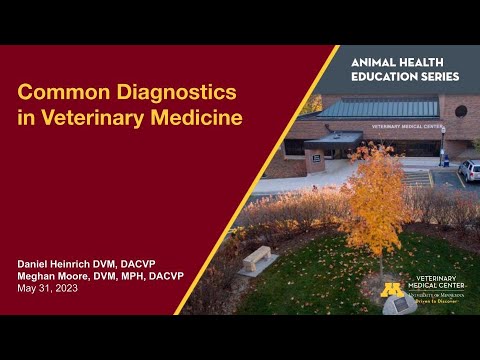
Understanding Veterinary Lab Diagnostics
Routine blood tests, such as complete blood counts (CBC) and blood chemistry panels, provide insights into organ function, immune response, and general wellness.
For more specialized diagnostics, veterinary labs offer cytology (examining cells under a microscope), biopsies, hormone level testing (such as thyroid or cortisol), and infectious disease panels.
Whether a veterinarian is confirming diabetes, clique aqui e saiba mais diagnosing acesse o endereco cancer, acesse o link or screening for zoonotic diseases, a reliable veterinary lab ensures the right data is available for informed decisions.
Locating a Veterinary Laboratory in Your Area
Searching for a “veterinary lab near me” can feel overwhelming, but a few strategies can simplify the process.
Online directories and veterinary associations can help locate accredited labs in your area.
If you’re a pet owner seeking direct access to a lab for second opinions or advanced testing, contact the lab to understand their intake process—some require referrals, while others accept samples directly.
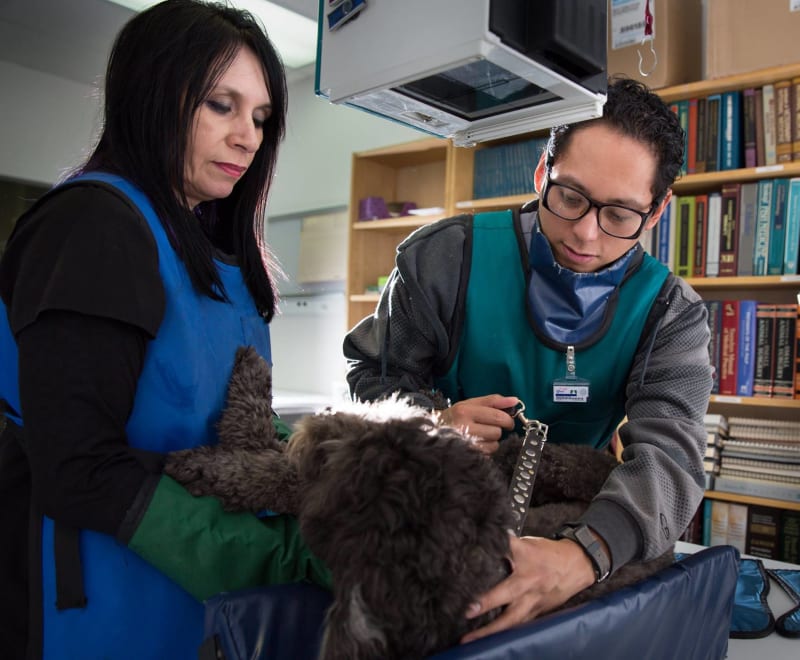
Choosing Between Standard and 24-Hour Veterinary Labs
Standard labs typically process routine tests during business hours, while 24-hour veterinary labs offer emergency diagnostic services around the clock.
These labs are often linked to emergency veterinary hospitals and specialize in handling critical cases at any time of day or night.
For non-urgent screenings, wellness panels, or follow-up testing, standard labs are usually sufficient.
Why Veterinary Diagnostics Matter for Your Pet’s Health
Veterinary diagnostics are the backbone of modern animal healthcare.
In chronic cases, regular lab monitoring ensures medications remain effective and side effects are minimized.
This partnership between lab, vet, and pet owner is what keeps animals healthy and thriving.
Conclusion: Choosing the Right Veterinary Lab for Your Pet
Whether you need routine bloodwork, specialized diagnostic panels, or emergency testing, the lab you choose plays a crucial role in guiding your veterinarian’s decisions.
By understanding the range of services veterinary labs offer, knowing when to seek 24-hour support, and learning how to find reputable labs near you, you empower yourself to make the best choices for your animal companion.
Stay informed, stay proactive, and don’t hesitate to ask your veterinarian how lab testing can enhance your pet’s care plan.
FAQ About Veterinary Laboratories
Why do vets use diagnostic labs?
These labs support veterinarians by providing accurate, fast diagnostic information essential for proper care.
Are there local veterinary labs for pet testing?
Ask your veterinarian for recommendations—they often work with trusted local labs or national diagnostic networks.
How do I know if I need an emergency vet lab?
Always consult your emergency vet to determine the best course of action.
What types of tests are done in veterinary labs?
These tests help detect infections, organ issues, cancers, and metabolic diseases.
Are veterinary diagnostics expensive?
Your veterinarian can provide estimates and help prioritize necessary diagnostics.